
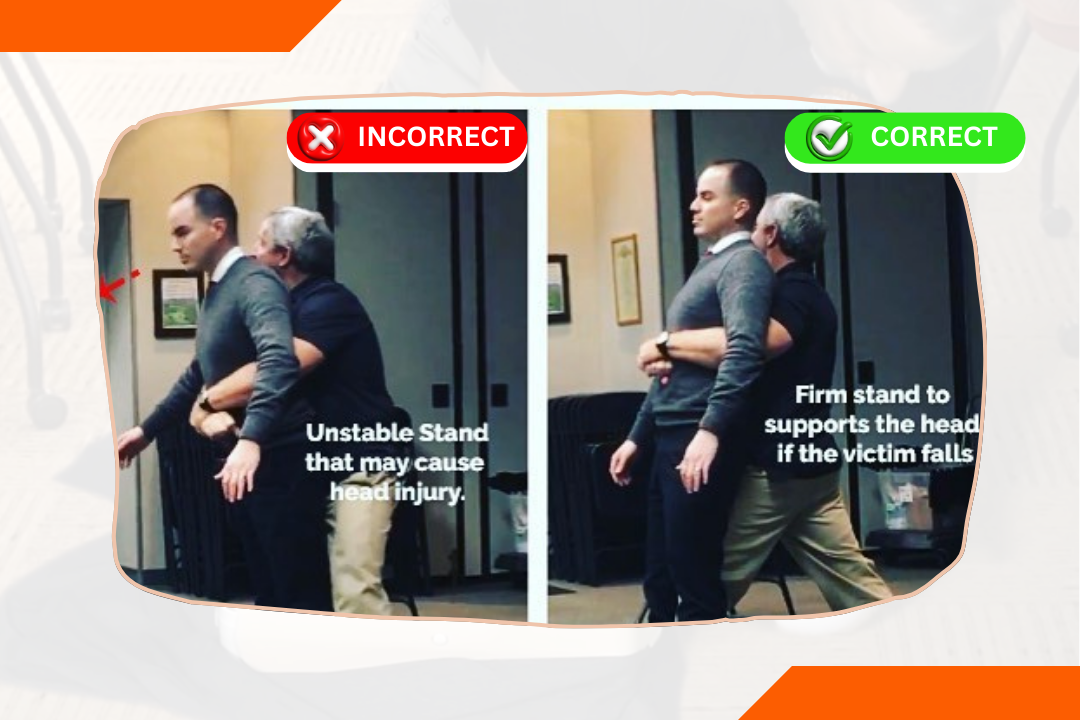
Imagine this scenario: you’re in a classroom, at home, or even at a restaurant when a child suddenly starts choking. In these critical moments, knowing what to do can make the difference between life and death. If more bystanders knew how to act and perform this simple technique, countless lives could be saved. As a retired Fire Captain, I’ve responded to countless emergencies involving choking, and time is always the most important factor. This guide will walk you through the steps to help someone who is choking, with specific actions for babies, children, and adults.
What Is Choking?
Choking occurs when a foreign object blocks the airway, making it difficult or impossible to breathe. Left unresolved, it can turn life-threatening within minutes. According to the National Safety Council, choking is the fourth leading cause of unintentional injury death in the U.S., emphasizing the importance of being prepared.
The most common causes of choking are food items such as hot dogs, grapes, and popcorn, but small objects or allergic reactions can also obstruct the airway, particularly in children.
Recognizing the Signs of Choking
- Mild Choking: The person can still cough and make noise. In this case, encourage them to continue coughing forcefully to dislodge the object.
- Severe Choking: The person is unable to breathe or make any sound. They may clutch their throat or begin to turn blue. Immediate action is required to prevent suffocation.
How to Help a Choking Child
Step 1: Assess the Situation
- Check if the child can cough or breathe. If they cannot, the airway is fully blocked, and quick intervention is needed.
Step 2: Call for Help
- Ask someone nearby to call 9-1-1 while you provide assistance.
Step 3: Abdominal Thrusts (Heimlich Maneuver)
- Stand behind the child, place a fist just above their navel, and perform five upward abdominal thrusts.
Step 4: If the Child Loses Consciousness
- Begin CPR (chest compressions will help dislodge the object) immediately and check for the object after each round of chest compressions.
What to Do If an Adult Is Choking
For adults, follow these steps:
- Encourage them to cough if they can still breathe or speak.
- If coughing doesn’t clear the obstruction, Call 9-1-1.
- If that fails, perform abdominal thrusts.
- If they lose consciousness, start CPR and check for the object between chest compressions and breaths.
The American Heart Association (AHA) recommends that individuals familiar with CPR or the Heimlich maneuver act immediately when severe choking is recognized.
How to Help a Choking Baby (Under 12 Months)
Babies are especially vulnerable to choking due to their small airways and natural tendency to put objects in their mouths. If a baby is choking:
- Step 1: Check for Crying
- If the baby is silent or struggling to cry, their airway may be fully blocked.
- Step 2: Call for Help
- Ask someone to call 9-1-1, or do so yourself after administering two minutes of care.
- Step 3: Back Blows and Chest Thrusts
- Hold the baby face down along your forearm, with their head lower than their chest. Support the head by placing your index and middle finger on their cheeks. Give five firm back blows between the shoulder blades.
- If the object isn’t dislodged, turn the baby face-up and perform five chest thrusts using two fingers in the center of the chest, just below the nipple line.
- Step 4: If the Baby Becomes Unconscious
- Begin infant CPR immediately and check for the object after every round of compressions and breaths.
Preventing Choking at Home and in the Classroom
As a teacher, parent, or caregiver, there are simple preventive steps you can take to reduce the risk of choking, especially for young children:
- Cut food into small, manageable pieces.
- Avoid giving small objects that can easily be swallowed.
- Supervise mealtimes closely, particularly for toddlers and young children.
The Centers for Disease Control and Prevention (CDC) provides valuable resources for preventing choking in children. You can learn more about preventive measures here
Expert Tip to Avoid Injury When Helping Someone Who’s Choking
While speed is critical in a choking emergency, use caution when performing abdominal thrusts or back blows, particularly on smaller individuals like children and infants. Administering too much force can cause injury, such as internal bruising or broken ribs. Ensure your hands are properly placed: just above the navel for adults and children, and use two fingers for infants to apply gentle but effective pressure.
Life-Saving Skills at Your Fingertips: Free Online CPR Training
Knowing how to perform CPR is essential, not just for choking emergencies but also for situations like cardiac arrest. That’s why Capt. Wayne Bennett and Online CPR Skills offer Free Online CPR Training. Whether you’re a school staff member, a teacher, or a parent, our courses provide the critical skills you need to respond effectively.
- Free CPR, AED, and First Aid Training: Pay only $29.95 for a nationally accredited certificate.
- Convenient and Flexible: Train anywhere, on any device, at your own pace.
- No Hidden Fees: Pay only after you pass the test.
Take the first step in saving lives—enroll in free CPR training today!
Lorem ipsum dolor sit amet, consectetur adipiscing elit. Ut elit tellus, luctus nec ullamcorper mattis, pulvinar dapibus leo.
Lorem ipsum dolor sit amet, consectetur adipiscing elit. Ut elit tellus, luctus nec ullamcorper mattis, pulvinar dapibus leo.
